Introduction
Autism communication challenges are about more than late speech. They can affect understanding, expression, conversation flow, gestures, tone, and shared attention.
Some children know what they want but cannot say it in the moment. Others speak a lot but still struggle to read social meaning or keep a conversation balanced.
This page focuses on how communication works in real life, why breakdowns happen, and what support can make everyday interaction easier.
Quick Summary
- What it is: communication differences that affect speech, understanding, gestures, tone, and social interaction.
- Why it happens: autism can change how the brain processes language, social cues, and sensory input.
- What to do: watch patterns, use simple support tools, and ask for help early if communication difficulties grow.
How Autism Affects Communication
Communication difficulties autism can affect both speaking and understanding. A person may know what they want but struggle to say it clearly in the moment.
They may also find it hard to understand other people. Long instructions, fast speech, jokes, tone changes, or vague wording may feel confusing.
Social communication is often affected too. Back-and-forth conversation, eye contact, facial expressions, and body language may not come naturally.
Types of Communication Challenges
- Speech delay or no speech
- Trouble starting conversations
- Difficulty understanding tone or sarcasm
- Repetitive language or echolalia
- Limited eye contact
- Difficulty reading body language
These autism communication problems can look different from one person to another. Some speak a lot but still struggle socially. Others have very limited speech but communicate clearly with gestures or tools.
Verbal vs Non-Verbal Communication
Verbal communication means spoken language. Some autistic children have autism speech issues such as late talking, repeating words, or struggling to ask for what they need.
Non-verbal communication means eye contact, gestures, posture, facial expression, and body language. A child may communicate a lot without words, but adults may miss those signals.
This is why communication challenges are not only about speech. They are also about how messages are sent and understood.
Signs in Children
- Late talking compared with peers
- Not responding to name often
- Limited interaction during play
- Few gestures like pointing or waving
- Frustration when trying to communicate
If you want a more focused guide for early warning signs, read early signs of autism.
Signs in Adults
- Social difficulty in group conversations
- Trouble maintaining back-and-forth conversation
- Misunderstanding social cues or tone
- Feeling overwhelmed in fast social settings
Adults may have learned to hide some communication difficulties autism brings, but the stress often remains underneath.
Why These Challenges Happen
Brain processing differences: language and social information may be processed more slowly or in a different way.
Sensory sensitivity: noise, light, movement, or touch can overload the brain and reduce communication.
Developmental differences: speech, social language, and emotional expression may develop on a different timeline.
How to Support Communication
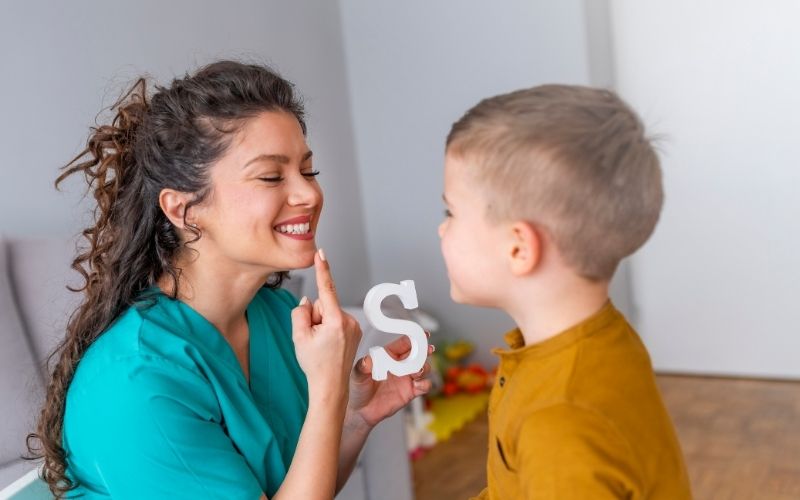
- Speech therapy: helps with understanding, expression, and social communication. You can also read more about autism speech delay.
- Visual aids: use pictures, symbols, or communication boards to lower frustration.
- Patience and structured support: speak clearly, pause after questions, and keep routines predictable.
- Practical therapy plans: explore support options in autism therapy options.
Short daily practice matters. Small wins often build into real progress.
FAQ
What are communication problems in autism?
They include trouble speaking, understanding language, reading social cues, and keeping conversations going.
Can autistic people communicate normally?
Many communicate well, but they may do it in a different style. Some rely mostly on speech, some use visual supports, and some use a mix.
At what age do communication issues start?
Some signs appear in toddler years, especially around speech and response to name, while others become clearer later when conversation and peer interaction become more demanding.
Can therapy improve communication?
Yes. Therapy and daily support can improve communication skills and reduce frustration.
Reviewed by a healthcare professional
This page was reviewed for accuracy and safety by a licensed healthcare professional. Follow your child's care team for personalized guidance.
Important notice
Healoza provides general education only and does not replace medical advice, diagnosis, or therapy. For emergencies, contact local emergency services.